Choline in Pregnancy
●
By
A thoughtful gift for new beginnings – buy a Calmbirth gift voucher

Choline is part of the B-vitamin family. It is essential for a healthy nervous system and brain function, and it helps the formation of cell membranes in your body. Everyone needs choline for a well-functioning body. Adult RDI varies, it is between 425mg-550mg per day (3). Small amounts of choline are produced by your liver but aren’t sufficient to meet your daily needs (3). Around 90% of adults aren’t meeting the required intake (4).
Studies suggest that the current levels (450mg daily) of recommended choline in pregnancy are actually inadequate to meet the metabolic requirements of the mother and growing baby. In fact, it is now theorised that we DOUBLE the recommended intake (2). The reason for this is because of the high rate of cell proliferation while your baby is growing and developing. Choline is also important for enhancing placental function (1), aiding in the transport of nutrients across the placenta (2). A 2013 study discussed the role that high choline supplements may play in preventing preeclampsia, due to improved vascular function (1).
Choline is essential for pregnancy health and foetal brain development. In fact, choline is just as important as folate in preventing neural tube defects! For this reason, it is suggested that choline intake increase (whether via natural diet or supplement) in the preconception phase to ensure the greatest advantage (4). Neurological benefits for babies have been demonstrated over long-term studies, with the most benefit observed in pregnant women who consume 930mg choline per day (particularly in the last trimester of pregnancy) (6). Research on rodents has consistently shown that high choline intake levels in maternal diet “produces life-long cognitive benefits” for babies, including spatial memory and attention, and a reduction or prevention of normal age-related decline in those functions (5).
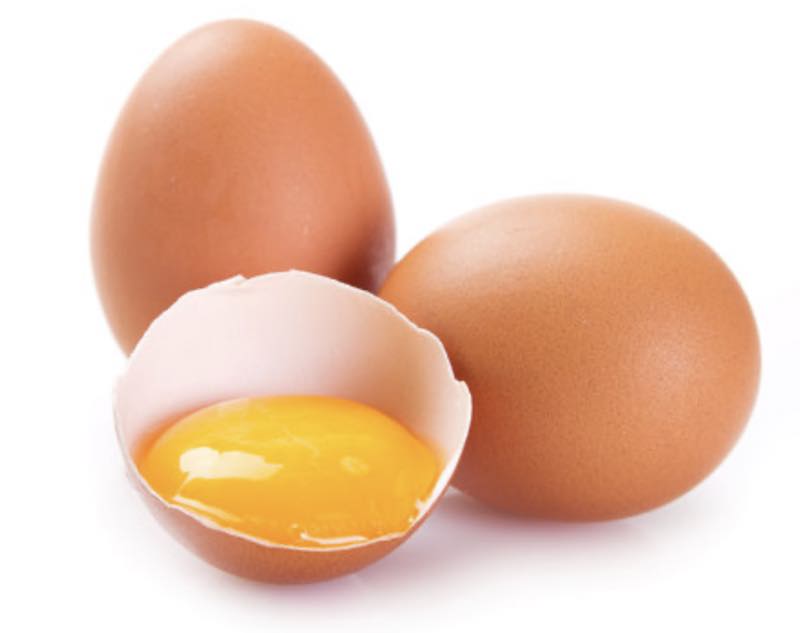
It’s in a wide variety of foods, but the highest concentrations are found in animal-based sources – the densest being egg yolk and liver (2). On average, people who consume eggs have twice the choline intake as those who don’t (2).
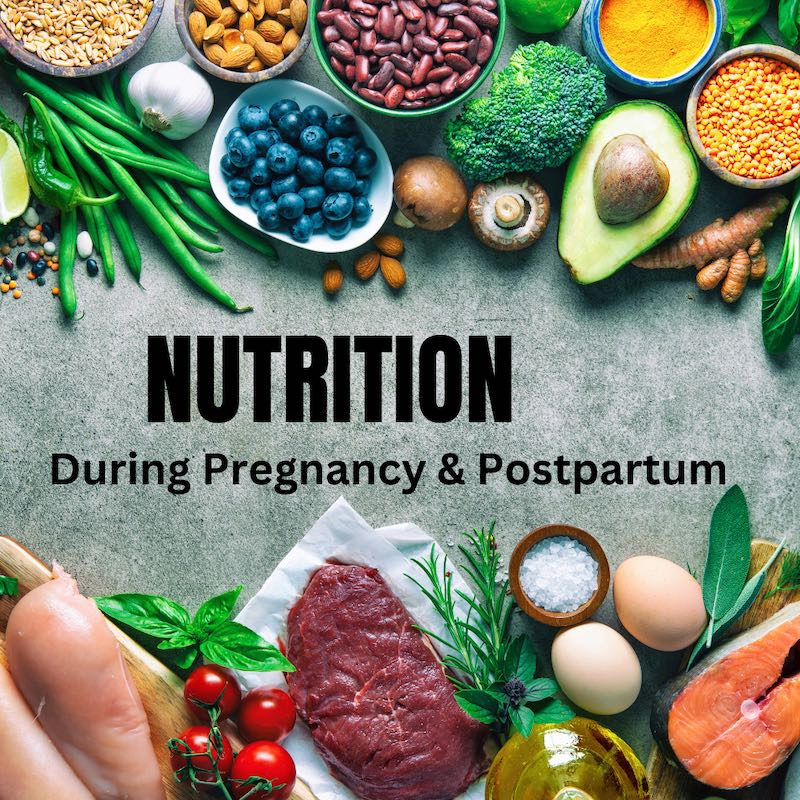
Excellent sources: liver, eggs (particularly yolk), caviar, organ meat, wild game meat (venison).
Good sources: shitake mushrooms, bacon, salmon (fatty fish), prawns, chicken and turkey, beef.
Moderate sources: soy beans, lima beans, milk, nuts and seeds, cruciferous vegetables, legumes, wheat germ.